
You can improve the health of your liver by abstaining from alcohol or only drinking in moderation, eating a healthy diet, and managing your weight. If you notice early signs of alcohol-related liver disease, be sure to follow up with your doctor. Some people with severe alcoholic hepatitis may need a liver transplant. When you drink more than your liver can effectively process, alcohol and its byproducts can damage your liver. Bruises occur when blood vessels get damaged and burst under the skin, so the blood from them, spreading, causes a slight swelling of soft tissues. These effects can have serious medical consequences, such as an increased risk for strokes.
The Physical Signs of Alcoholism
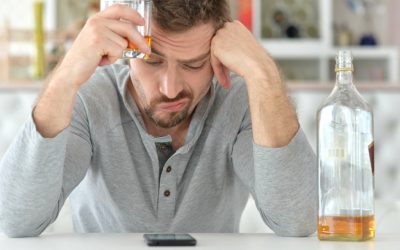
It also includes binge drinking — a pattern of drinking where a male has five or more drinks within two hours or a female has at least four drinks within two hours. It’s best to avoid intense exercise or activity immediately following the procedure. “For the first 24 to 48 hours after the procedure, patients should avoid strenuous activity or exercise,” says Lin. If you or someone you know exhibits these physical signs of alcohol abuse, it is crucial to seek professional help.
Binge Drinking Alcohol, Bruising Or Discoloration, Dizziness And Dry Skin
For many, this is a problem that will keep us tossing and turning at night, leading to alcohol affecting our sleep. Because alcohol is a potent diuretic, it can quickly dehydrate you, leading to the characteristic symptoms of a hangover, including a throbbing headache. Research reviews have also listed alcohol as a culprit for triggering migraine attacks. If you’ve ever had to nurse a hangover, nausea and vomiting are commonly part and parcel of the ordeal. Alcoholic hepatitis occurs when the liver becomes damaged and inflamed. Symptoms include fever, jaundice (yellowing of the skin), malnourishment, swelling, and accumulation of fluid around the liver.
Signs and symptoms
Life with cirrhosis https://redstarrealestate.policyguides.com/the-essentials-of-amortization-expense-a-guide-for-accountants-and-auditors/ can be challenging, but with the right information, the right medical team and the right treatment, there’s reason to be encouraged. Unexplained bruises and scrapes may be observed more frequently, and alcoholics can have reduced platelet counts and other clotting factors, making them more likely to bruise. This is especially true when you consider the increased likelihood of them falling.
Q2: Can alcohol thin the blood too much?
On average, members see a 30% reduction in alcohol consumption in 3 months, leading to improved sleep, diet, and overall wellbeing. While there is no direct relationship between alcohol and hair loss, heavy drinking may lead to other issues that thin out your locks. Well, alcohol intake may lead to night sweats by speeding up your heart rate and widening your blood vessels, triggering the release of perspiration. Alcohol suppresses rapid eye movement, or REM sleep, which is an essential restorative stage of sleep your body requires. Ignoring persistent bruising can lead to severe consequences, including internal bleeding or complications from untreated liver disease.
Q10: Can alcohol affect bruising for individuals with certain medical conditions?
Additionally, alcohol’s vasodilatory effects increase blood flow, making minor impacts more likely to cause bruising. When alcohol impairs liver function, it decreases these proteins, increasing the likelihood of bruises after drinking alcohol. In the late stages of alcoholism, the physical and psychological toll becomes increasingly severe. Individuals may display a loss of interest in previously important aspects of their life, isolation from loved ones, and an inability to function without alcohol. Severe liver damage, cirrhosis, and organ failure are potential consequences of prolonged alcohol abuse in this stage, and immediate intervention is crucial. Unexplained bruises and frequent injuries can be physical signs of alcoholism.
Alcoholism is a colloquial term, and it really isn’t a politically correct way to refer to an alcohol addiction. All of these symptoms indicate that drinking has become a major problem in your life, and you should consider getting professional help to recover. It can be hard to think through an alcoholism problem on your own, but with alcohol and bruising the help of a therapist and addiction treatment professionals, you can gain control. In addition to filtering your blood, your liver’s job involves blood cell management. Your liver helps your blood to clot, and the liver helps blood to move evenly throughout the body.
People with medium skin tones may see more red and yellow color in their bruises than people with lighter or darker skin tones. On people with lighter skin tones, bruises may start out red or purple soon after the injury, then turn light brown, green, or yellow as they heal. marijuana addiction On people with darker skin tones, bruises can look purple, dark brown, or black. We treat alcohol addictions and mental health issues in an outpatient setting. This means you can meet your daily commitments while attending therapy on weekdays.
- This can develop into alcohol hepatitis, which is the inflammation of the liver.
- Over time, this can cause chronic fatigue and impact overall health and well-being.
- Consuming enough water is one efficient way to promote optimal hydration.
- The reduced platelet count and stickiness of already circulating platelets prolong bleeding time from injuries, leading to visible bruises.
- This effect may explain why you’re waking up with bruises after drinking.
Chronic alcohol consumption doesn’t just damage the liver; it sabotages the body’s ability to absorb and utilize essential vitamins, creating a perfect storm for excessive bleeding. Vitamin K, a fat-soluble nutrient critical for blood clotting, is particularly vulnerable. Alcohol interferes with its absorption in the intestines and disrupts liver function, where it’s activated. This double blow leaves alcoholics deficient, their blood struggling to coagulate effectively. Even minor cuts or bruises can become problematic, and internal bleeding risks escalate. If excessive alcohol consumption continues, inflammation levels can begin to increase in the liver.